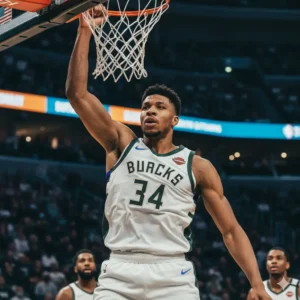
The Milwaukee Bucks’ season has been plunged into a state of profound uncertainty. Two-time MVP Giannis Antetokounmpo is sidelined indefinitely with a calf strain, the same injury that has plagued him in recent seasons. With the team floundering in the standings and no return date in sight, this development forces a fundamental reevaluation of the franchise’s present and future. This analysis delves into the details of the injury, its immediate repercussions, and the pivotal decisions that now lie ahead for the organization.
The Injury: A Recurring Concern with No Clear Timeline
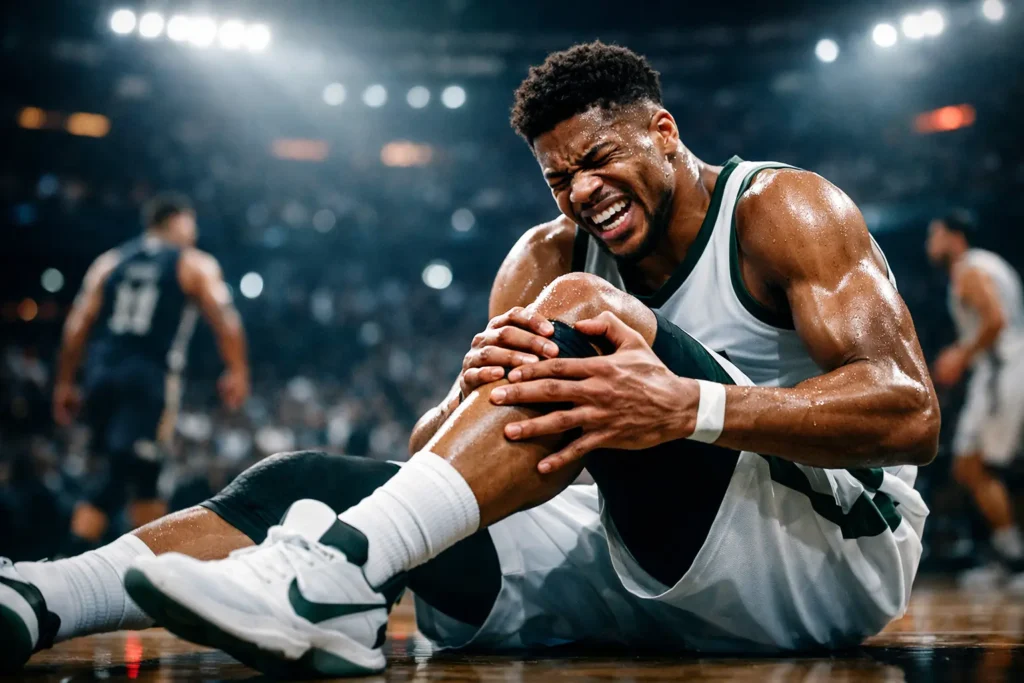
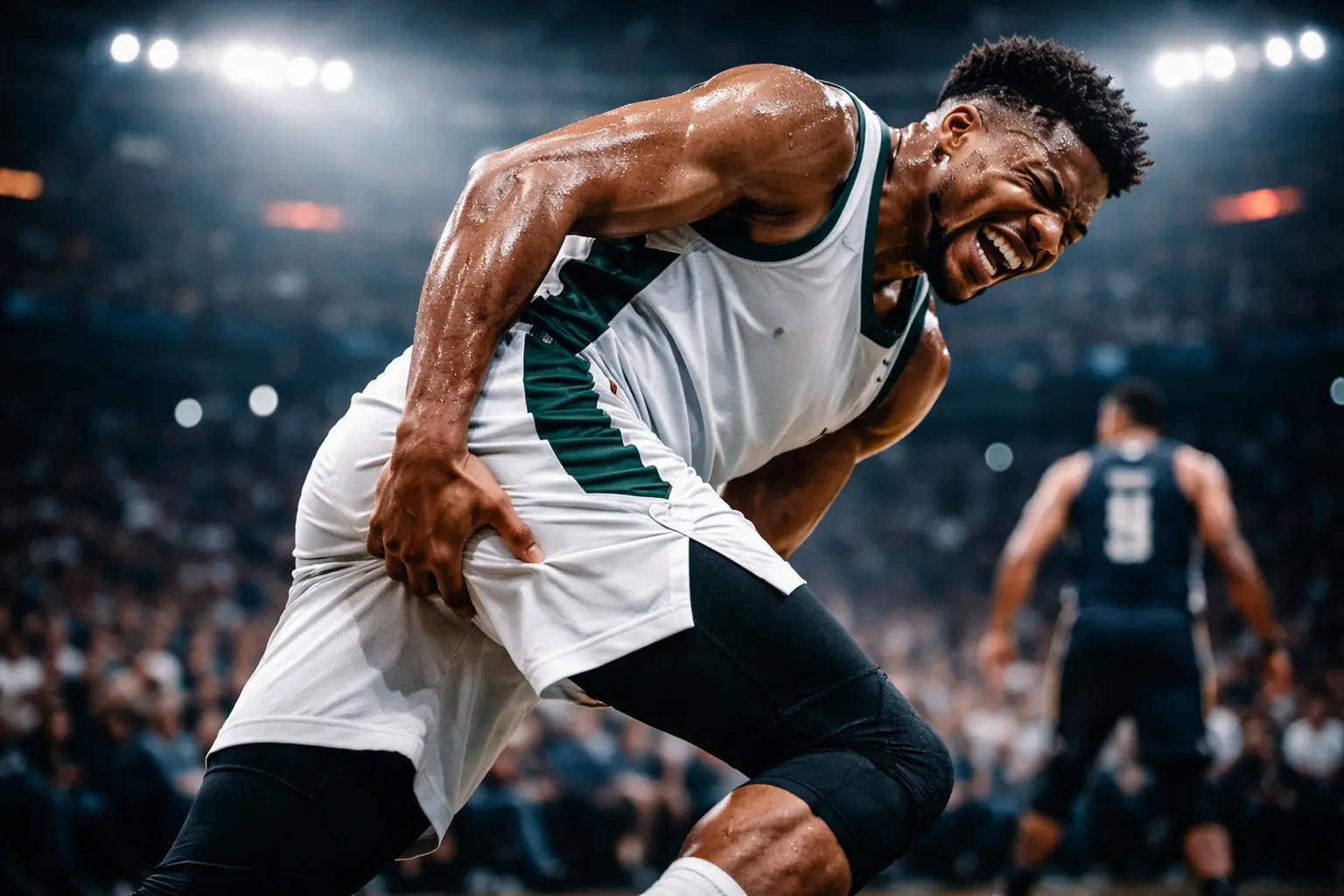
Giannis Antetokounmpo suffered a right calf strain during a loss to the Denver Nuggets, an injury he astutely self-diagnosed post-game. Bucks head coach Doc Rivers confirmed the diagnosis but notably declined to provide any timetable for return, stating simply, “There’s really no timetable.” This marks at least the fourth significant calf-related issue for Antetokounmpo in three years, following injuries that caused him to miss the 2024 playoffs, the 2025 All-Star Game, and eight games earlier this season. Rivers openly acknowledged the pattern is “concerning,” pointing to the physical toll of Antetokounmpo’s year-round basketball schedule.
Historical Context: A Pattern of Soft-Tissue Setbacks
This latest strain is not an isolated incident but part of a troubling trend. Since 2024, Antetokounmpo has navigated multiple injuries to his calves and adductors. The recurrence suggests a vulnerability that the Bucks’ medical and performance staff has struggled to mitigate. Previous attempts at managing his workload, including gradual minute ramps and restrictions, have not prevented reinjury. This history raises legitimate questions about long-term durability for a player whose dominance is built on otherworldly athleticism and physicality.
The On-Court Vacuum: Quantifying Giannis’s Value
The statistical impact of Antetokounmpo’s absence is staggering and underscores his irreplaceable value. For the 2025-26 season, the Bucks’ record starkly illustrates the dichotomy: they are 15-15 with him and a dismal 3-11 without him. The team’s net rating, offensive flow, and defensive identity all disintegrate when he is off the floor. At 31 years old, Antetokounmpo remains a perennial MVP candidate, averaging 28 points, 10 rebounds, and 5.6 assists per game. His absence doesn’t just remove a star; it collapses the entire ecosystem of the team.
Playoff Dreams and Award Eligibility in Jeopardy
The immediate practical consequences are severe. The Bucks, at 18-26, sit in 11th place in the Eastern Conference, putting their streak of nine consecutive playoff appearances in serious peril. Furthermore, Antetokounmpo will now certainly fall short of the NBA’s 65-game threshold for major award eligibility, ending his remarkable seven-year run of All-NBA First Team selections. While he has philosophically accepted this personal setback, it symbolizes a season where individual and team goals are rapidly slipping away.
The Elephant in the Room: Intensified Trade Speculation
This injury arrives amidst a crescendo of speculation about Antetokounmpo’s long-term future in Milwaukee. Following public comments about teammates’ “selfish” play and a perceived lack of ball movement, reports have indicated that discussions about his future have “intensified.” The injury itself complicates any potential pre-deadline trade scenario, likely keeping him in Milwaukee through February 5th. However, it also amplifies the core dilemma: can the Bucks construct a contender around him before his contract’s player option in 2027, or is a proactive, franchise-altering trade the most prudent path?
A Strategic Dilemma: Retool, Rebuild, or Reassure?
The Bucks’ front office, led by GM Jon Horst, now faces a multifaceted strategic challenge. The roster, constructed after the Damian Lillard experiment, lacks both the high-end talent and draft capital to easily engineer a quick turnaround. One school of thought suggests leveraging Antetokounmpo’s absence to secure a high lottery pick in a heralded 2026 draft—a rare opportunity to add elite young talent. Another path involves using the summer to trade their few remaining future picks (2026, 2031, 2033) for immediate help. The most dramatic option, trading Antetokounmpo himself, would demand a historic haul of picks and young players to jumpstart a new era.
Potential Trade Landscape: Which Teams Could Realistically Engage?
Should trade discussions materialize, a select group of teams possess the necessary combination of draft assets, young talent, and matching salary to construct a credible offer. Franchises like the Detroit Pistons, Toronto Raptors, and Houston Rockets hold significant war chests of picks and promising players. Others, like the Oklahoma City Thunder and San Antonio Spurs, have the assets but may be reluctant to disrupt promising cores. The calculus for any suitor is complicated by the need to not only acquire Antetokounmpo but also to confidently extend his contract beyond 2027.
Frequently Asked Questions
What is Giannis Antetokounmpo’s exact injury?
He has been diagnosed with a strain in his right calf. It is a recurrence of an injury that sidelined him for eight games in December.
When will Giannis return?
The Milwaukee Bucks have not provided a timetable. Giannis himself speculated it could be a 4-6 week injury based on his experience, but the team has offered no official return window.
How have the Bucks performed without him this season?
They have struggled immensely, posting a 3-11 record without Antetokounmpo in the lineup, which highlights his irreplaceable impact on both ends of the court.
Does this injury affect his All-NBA or MVP eligibility?
Yes. He will miss the 65-game minimum required for major award consideration, ending his streak of All-NBA First Team selections.
Will Giannis miss the All-Star Game?
It is highly likely. He missed last year’s All-Star Game with a calf strain, and a similar absence is expected this year.
Could the Bucks shut him down for the rest of the season?
While Coach Rivers stated there’s “no thought to that,” if the team falls completely out of play-in contention, preserving his health for the long term could become a priority.
Does this make a trade before the deadline more or less likely?
Less likely in the immediate term. The injury adds a layer of medical complexity for any acquiring team and likely ensures Giannis remains a Buck past the February 5th trade deadline.
What are the biggest implications for the Bucks’ franchise?
This injury accelerates a looming franchise crisis. It forces management to critically assess whether the current roster can ever be a true contender and to make foundational decisions about building around Giannis or initiating a rebuild.
Which teams have the best trade assets for Giannis?
Teams with abundant draft capital and young talent, such as the Detroit Pistons, Toronto Raptors, Houston Rockets, and Oklahoma City Thunder, could structure compelling packages, though their willingness to do so varies.
What is Giannis’s contract situation?
He is under contract through the 2026-27 season and holds a player option for 2027-28. He becomes eligible for another extension in October 2026.
Verdict
Giannis Antetokounmpo’s latest calf injury is far more than a short-term roster setback for the Milwaukee Bucks; it is the catalyst for a defining organizational moment. The absence of a timetable, coupled with the team’s poor performance without him, exposes the fragile foundation of the current roster. This episode intensifies the already glaring questions about the franchise’s direction, amplifying trade speculation and forcing a sober assessment of their championship viability. The coming months will reveal whether the Bucks choose to double down on building around their generational superstar or confront the difficult reality of initiating a transformative rebuild. The path they choose will chart the course for the next decade of basketball in Milwaukee.
Watch More Sports
Related Coverage
related sports news | related sports news | related sports news