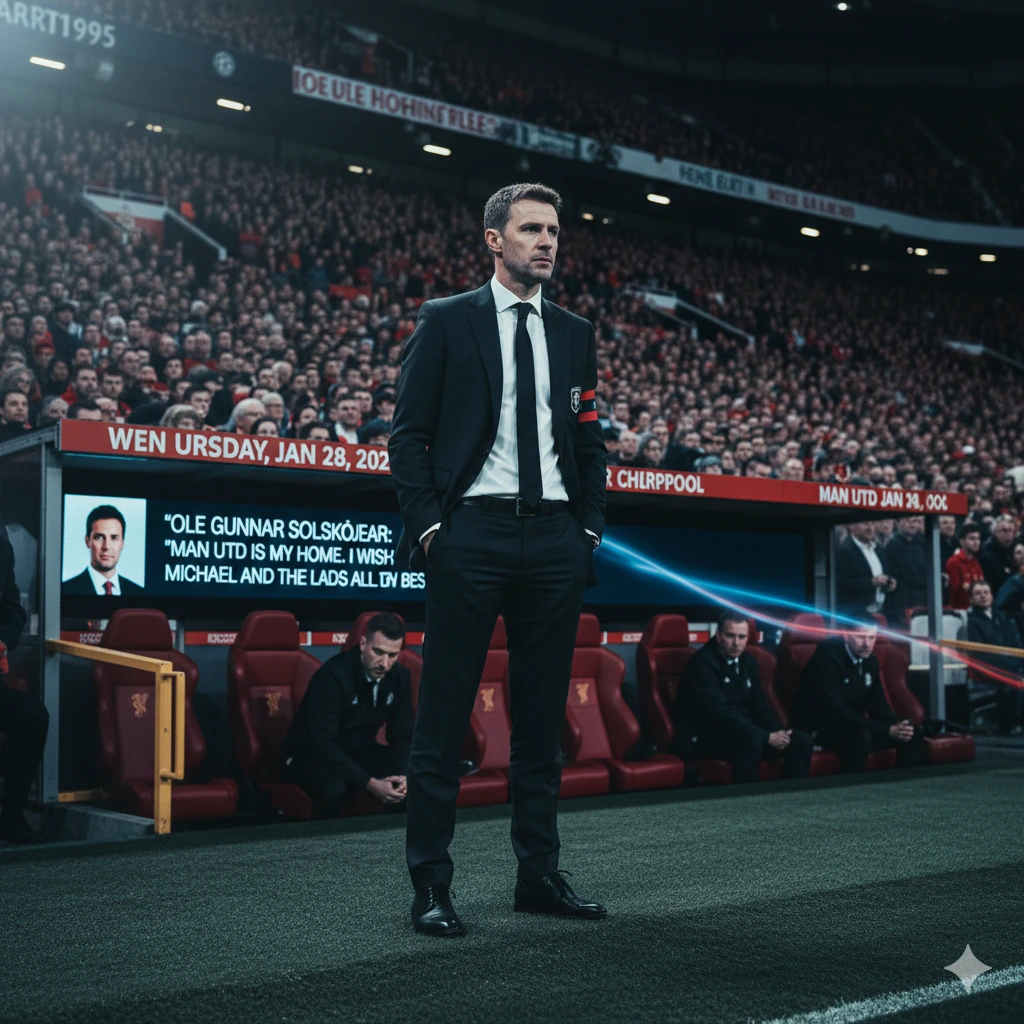
In the high-stakes world of football management, the transition of power is rarely smooth or without underlying tension. The recent appointment of Michael Carrick as Manchester United’s interim head coach, following the dismissal of Ruben Amorim, presented a unique narrative. Carrick, a club legend in his own right, was chosen over another iconic figure, Ole Gunnar Solskjaer, setting the stage for a potential clash of legacies. Instead, the story that has emerged is one of profound mutual respect and support, offering a glimpse into the character underpinning the club’s latest chapter. This analysis delves into Solskjaer’s gracious reaction, Carrick’s impactful start, and the significant challenges that lie ahead for the new regime.
The Managerial Decision: Carrick Over Solskjaer
Manchester United’s search for a steward to guide the team through the remainder of the 2025/26 season culminated in a straight choice between two familiar faces. Both Michael Carrick and Ole Gunnar Solskjaer carried the weight of club history, having served as player, captain, and coach. While Solskjaer’s previous tenure as permanent manager made him a sentimental favorite for many fans, the club’s hierarchy leaned towards Carrick. Reports indicate that key decision-makers were impressed by Carrick’s detailed, on-pitch coaching methodology and his modern approach to tactical preparation. Furthermore, it’s suggested that the current squad’s preference for a fresh tactical voice, distinct from the previous Solskjaer era, played a role in the final verdict. This decision placed Carrick in the spotlight, tasked with stabilizing the team and chasing Champions League qualification.
Solskjaer’s Supportive Stance and Enduring Bond
In a display of professionalism that transcends competition, Ole Gunnar Solskjaer promptly reached out to his successor. Carrick confirmed the communication, highlighting the deep personal and professional bond forged during their years together, first as teammates and later with Carrick serving on Solskjaer’s coaching staff. “He’s some man and I respect him an awful lot,” Carrick stated, noting that Solskjaer was “fully supportive” and “happy that we got the right result” against Manchester City. This endorsement from a former boss and close friend is more than a mere courtesy; it provides Carrick with a layer of legitimacy and a silent vote of confidence from a figure still beloved by the fanbase. Carrick acknowledged that while he is not one to constantly seek advice, Solskjaer remains “there if ever I need him,” preserving a crucial line of support within the often-isolated world of management.
Tactical Foundations and the Derby Day Blueprint
Carrick’s tenure began with a statement victory: a disciplined 2-0 win over rivals Manchester City. The performance was a tactical masterclass in controlled aggression and strategic discipline. Abandoning the previous manager’s favored system, Carrick reverted to a more familiar 4-2-3-1 shape, emphasizing compact defensive structure and explosive transitions. Key decisions, such as reinstating the energetic Kobbie Mainoo to the starting lineup and utilizing Patrick Dorgu effectively in an advanced wide role, paid immediate dividends. The team executed a perfect press, nullifying City’s attacking threats and showcasing a level of organization that had been missing. This victory was not just about points; it was about instilling a clear identity and proving that the squad could respond to his ideas.
The Arsenal Test: Beyond Copy and Paste
Fresh from the derby high, Carrick immediately tempered expectations, emphasizing that success against City would not guarantee a repeat performance. “It won’t be copy and paste,” he cautioned, underscoring his belief that each match presents unique tactical puzzles. The trip to face Premier League leaders Arsenal at the Emirates Stadium represents a fundamentally different challenge. Where City dominates possession, Arsenal combines technical control with intense pressing and swift attacking patterns. Carrick’s approach will need to adapt, likely focusing on disrupting Arsenal’s rhythm in midfield and exploiting spaces behind their advanced full-backs. His ability to devise a tailored, effective game plan for this fixture will be a critical test of his strategic acumen beyond the initial motivational boost.
Long-Term Implications and Squad Building
While Carrick’s role is officially interim, his actions will inevitably shape the club’s short and medium-term future. His early success has already sparked debate about his candidacy for the permanent position. Furthermore, he has confirmed his involvement in forward-planning conversations, particularly regarding squad composition. The confirmed summer departure of veteran midfielder Casemiro underscores a necessary evolution in the engine room, an area where Carrick’s expertise as a former world-class midfielder will be invaluable. His advocacy for integrating academy products like Mainoo signals a commitment to building a squad that understands the club’s culture, blending youth with experience—a philosophy that resonates deeply with United’s traditions.
Navigating the Pressure of Permanent Speculation
The impressive start has naturally led to calls for Carrick to be considered as a permanent solution. However, he must navigate this speculation carefully. The immediate focus remains on securing a top-four finish, a goal that would massively strengthen his case. Every team selection, substitution, and post-match comment will be scrutinized through the lens of his long-term suitability. The backing from former teammates and the respectful silence from Solskjaer create a supportive environment, but the Premier League’s relentless pressure is an unforgiving test. How Carrick manages this external noise while maintaining the team’s focus on weekly objectives will be a key component of his managerial education.
Frequently Asked Questions
Did Ole Gunnar Solskjaer want the Manchester United job?
Yes, Solskjaer was publicly and privately interested in returning to the club he managed for nearly three years. He was interviewed for the interim position but was ultimately not selected.
Why was Michael Carrick chosen over Solskjaer?
Club officials reportedly favored Carrick’s hands-on, contemporary coaching style on the training pitch. There were also indications that segments of the current playing squad responded better to the prospect of a new voice, distinct from the previous managerial regime.
What did Solskjaer say to Carrick after his appointment?
Solskjaer contacted Carrick to offer his full support and congratulations, specifically expressing his happiness about the derby win over Manchester City. Carrick described the conversation as supportive and respectful.
What tactical changes did Carrick implement against Manchester City?
Carrick shifted the team to a 4-2-3-1 formation, prioritizing defensive solidity and organized pressing. He made key personnel decisions, like starting Kobbie Mainoo, which improved the team’s energy and ball-winning capability in midfield.
Can Michael Carrick become the permanent manager?
While appointed only until the summer, a sustained run of positive results—particularly achieving Champions League qualification—would make him a serious candidate for the permanent role. His early work has certainly placed him in the conversation.
What is Carrick’s biggest challenge after the derby win?
The immediate challenge is proving the victory was not a one-off. Consistently adapting tactics for different opponents, starting with Arsenal, and maintaining squad morale over a long period are his primary tests.
How has the players’ response been to Carrick?
The reaction appears highly positive, evidenced by the committed, structured performance against City. Reports suggest the squad has embraced his clear tactical instructions and training-ground methods.
Will Carrick be involved in transfer decisions?
Yes, Carrick has confirmed he will be part of conversations regarding squad planning for the future, offering input as the club looks to build a competitive team for next season.
What is the significance of Solskjaer’s public support?
It provides Carrick with implicit endorsement from a club legend, helping to unify the fanbase and legitimize his authority in the dressing room, easing a potential transition.
What is the key to United’s success under Carrick?
Sustained success will depend on tactical flexibility, the continued buy-in from key players, and the ability to grind out results against varied opposition, not just in showcase matches.
Verdict
Michael Carrick’s nascent reign at Manchester United has been defined by a perfect storm of respectful transition, tactical clarity, and immediate on-field results. Ole Gunnar Solskjaer’s gracious and supportive response to being overlooked has set a tone of unity, allowing the new manager to operate without the shadow of internal rivalry. Carrick’s challenge now is to evolve beyond the inspiring “new manager bounce.” His philosophy must demonstrate consistency and adaptability, starting with the formidable test at Arsenal. The early signs are promising, suggesting a manager who understands both the modern game and the unique cultural fabric of Manchester United. Whether this interim period becomes a permanent audition will hinge entirely on his ability to translate this compelling start into a sustained run of form that secures the club’s crucial sporting objectives.
Watch More Sports
Related Coverage
Man United updates | Man United updates | Man United updates